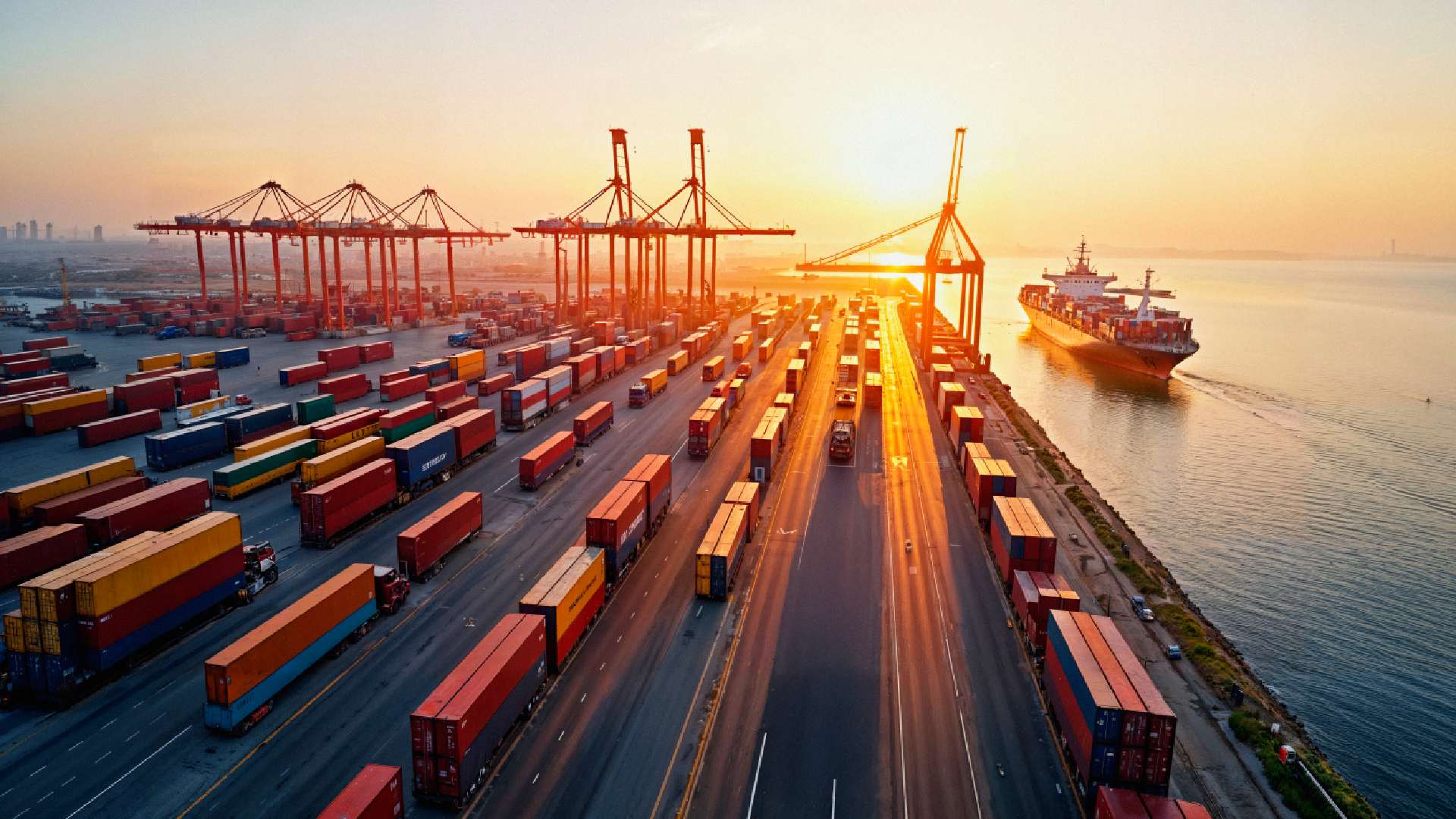
🚚 The Evolution of Logistics
Traditional logistics relied heavily on manual coordination, paperwork, and limited visibility. Today, technology-driven logistics enables businesses to manage shipments with precision, speed, and transparency.
Key advancements include:
Digital freight management systems
GPS-based real-time tracking
Automated inventory control
AI-powered route optimization
📦 Real-Time Tracking
Real-time tracking allows businesses and customers to monitor shipments at every stage. This reduces uncertainty, improves trust, and enables proactive decision-making in case of delays.
Benefits include:
Improved delivery accuracy
Faster issue resolution
Enhanced customer satisfaction
Better supply chain visibility
🏭 Smart Warehousing
Modern warehouses are no longer just storage spaces. They are intelligent hubs equipped with automation, barcode scanning, and inventory management software.
Smart warehousing offers:
Faster order fulfillment
Reduced operational costs
Accurate stock control
Improved safety and efficiency
🌍 Green Logistics
Sustainability has become a priority in logistics operations. Companies are adopting eco-friendly practices to reduce carbon emissions and environmental impact.
Examples include:
Fuel-efficient transport vehicles
Optimized delivery routes
Eco-friendly packaging
Carbon footprint monitoring

On-time delivery is the foundation of trust in the logistics industry. When shipments arrive as promised, businesses can operate smoothly, customers remain satisfied, and long-term partnerships are strengthened. Reliable delivery schedules help reduce uncertainty and ensure that supply chains function without unnecessary disruptions.
Modern logistics operations rely heavily on technology to maintain delivery accuracy and efficiency. Advanced tracking systems, automated dispatch tools, and intelligent route planning allow logistics providers to monitor shipments in real time and respond quickly to unexpected delays. This level of visibility enables proactive decision-making and improved service reliability.
Despite technological advancements, logistics providers still face challenges such as traffic congestion, weather conditions, and regulatory delays. Successfully managing these obstacles requires experience, strategic planning, and strong coordination across transportation networks. Companies that invest in contingency planning are better equipped to maintain delivery commitments even under pressure.
Customer expectations continue to rise as e-commerce and global trade expand. Today’s customers demand faster deliveries, transparent communication, and consistent performance. Logistics companies that prioritize on-time delivery gain a competitive advantage by meeting these expectations and building brand credibility.
Ultimately, on-time delivery is not just an operational goal—it is a key driver of business growth. By combining skilled teams, modern technology, and efficient processes, logistics providers can deliver reliability, enhance customer satisfaction, and support the success of businesses across industries.